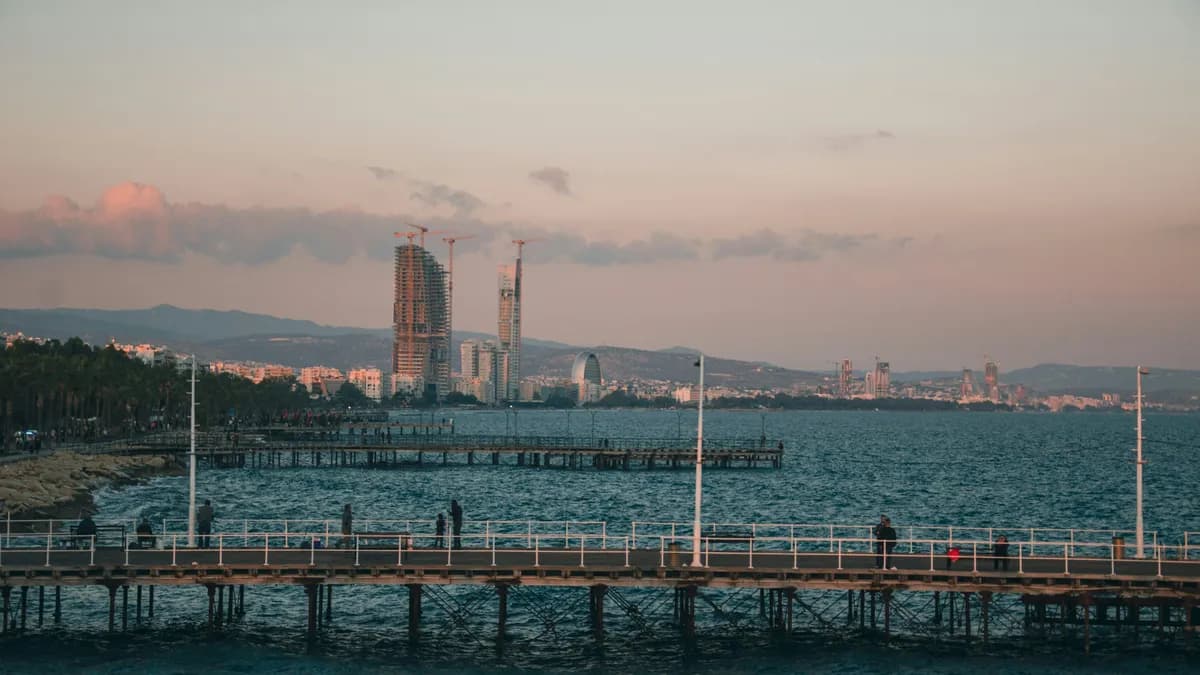
Your Cyprus travel guide to Mediterranean sun, golden coast and ancient stone
Plan around Paphos's mosaics and harbour, Limassol's long seafront, the calm bays of Larnaca and Protaras, and the cool pine air of the Troodos mountains, 365 days a year.
Travel guides that help you decide faster
The hardest part of planning Cyprus is rarely finding a hotel. It is choosing the right base, the right beach style, and the right trip pace before you start comparing listings.
Things to Do in Cyprus: A Complete Guide
Things to do in Cyprus span UNESCO-listed Roman mosaic villas uncovered in 1962, the top-ten Zenobia wreck dive, Troodos trails and east-coast beaches.
Open guide ->Best Beaches in Cyprus: An Honest Coast Guide
Best beaches in Cyprus by area: Ayia Napa and Protaras white sand, Paphos coves, wild Akamas, plus Limassol and Larnaca's walkable town shores.
Open guide ->Cyprus on a Budget: Money-Saving Tactics for 2026
Practical ways to cut costs in Cyprus: shoulder-season timing, the public buses, self-catering, free beaches and sites, and where locals eat for a few euros.
Open guide ->Troodos Trip Planner: Wine Villages, Churches & Kykkos
Plan a Troodos trip village by village: the Commandaria wine route, ten UNESCO painted churches, Kykkos Monastery, where to stay and how long to spend.
Open guide ->Cyprus With Kids: A Practical Family Travel Guide
Cyprus with kids: shallow Blue Flag beaches, three waterparks, zoos, boat trips and Troodos day plans, plus the car seat law and health tips families need.
Open guide ->Cyprus for First-Timers: Airports, Driving, Money
Everything you need for a first visit to southern Cyprus: the two main airports, driving on the left, euro budgeting, bus links and picking the right base.
Open guide ->Cyprus 365 by the numbers
Top destinations
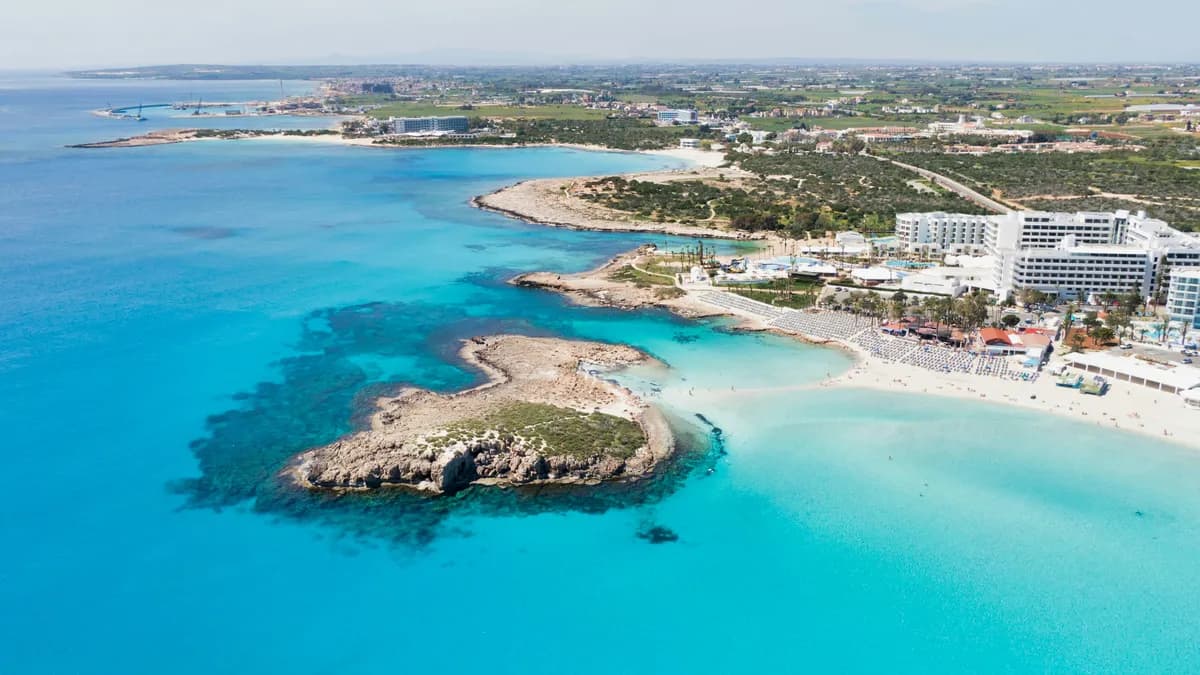
Ayia Napa
Ayia Napa is Cyprus's busiest summer resort: white-sand beaches led by Nissi Beach, the sea caves and trails of Cape Greco, and the island's best-known nightlife.
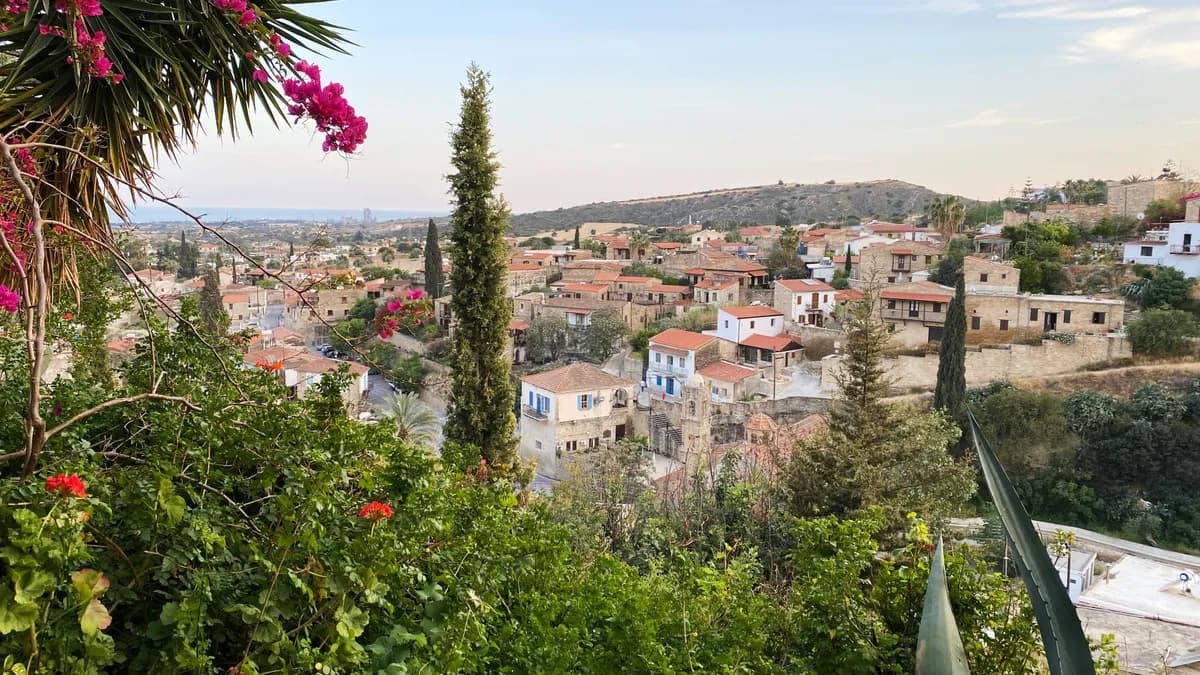
Larnaca
Larnaca is the arrival point for most visitors: Cyprus's main airport, the palm-lined Finikoudes promenade, the Church of Saint Lazarus and a winter salt lake of flamingos.
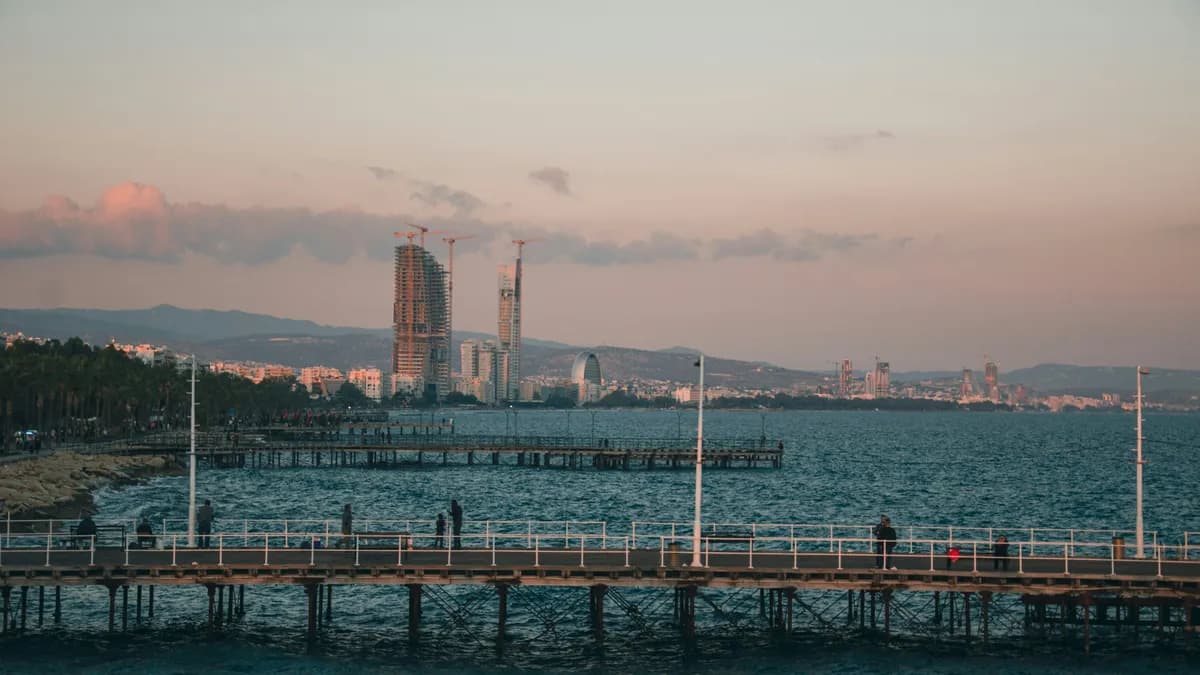
Limassol
Limassol is Cyprus's largest coastal city: a medieval castle, modern marina and long seafront, with the Roman ruins of Kourion and Troodos wine villages a short drive away.
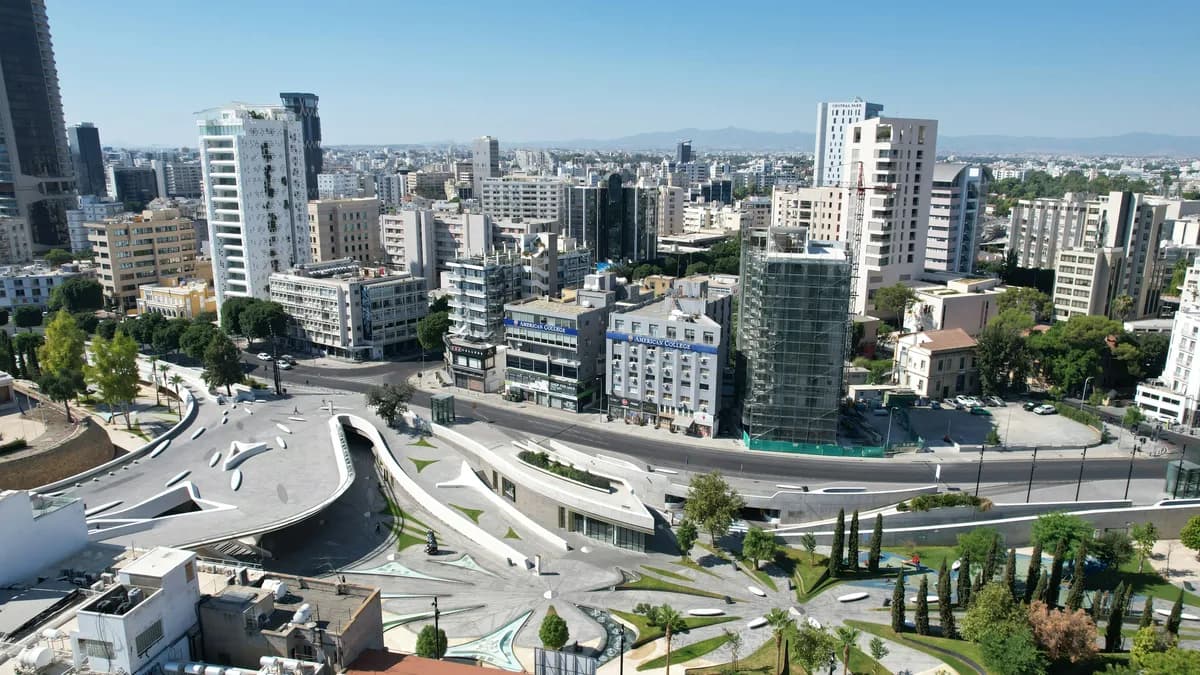
Nicosia
Nicosia (Lefkosia) is the inland capital: a walled old town with Venetian ramparts, the pedestrian Ledra Street and the Cyprus Museum's leading archaeology collection.
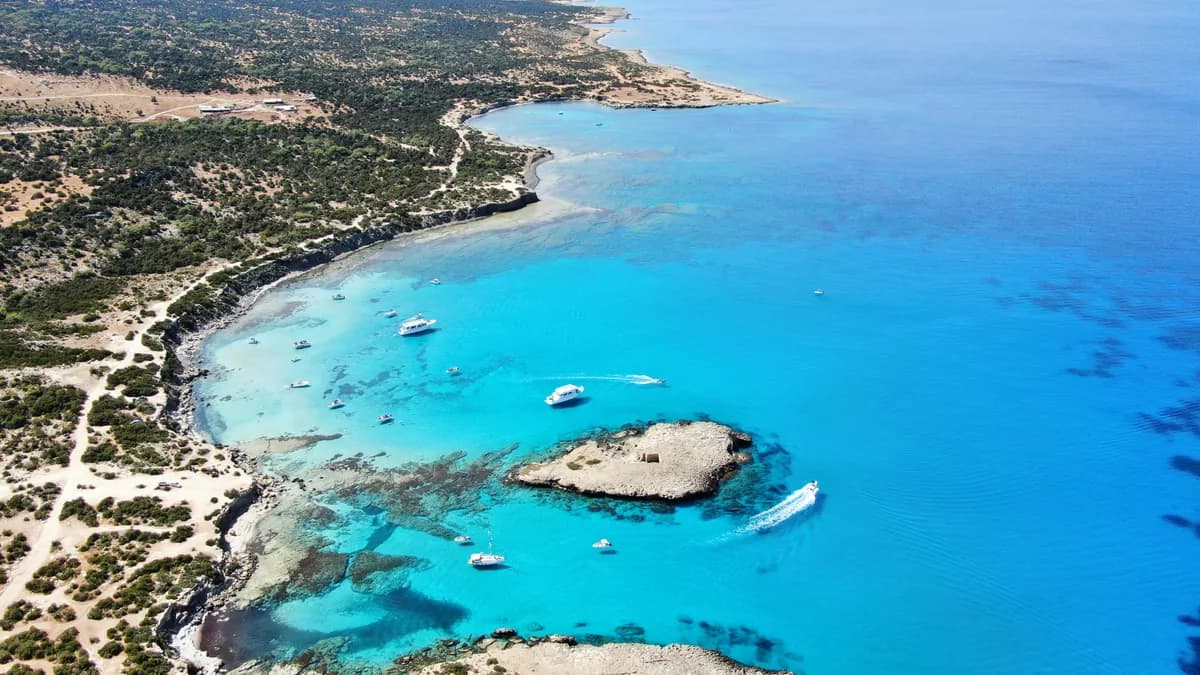
Paphos
Paphos pairs a UNESCO archaeological park of Roman mosaics with a working harbour, Tombs of the Kings and Cyprus's quieter western coast. The natural base for history and west-coast beaches.
The coastlines worth planning around
Nissi Beach
Ayia Napa's best-known beach: soft white sand, shallow turquoise water and a small islet you can reach on foot across a sandbar. Lively in summer, Blue Flag.
Fig Tree Bay
Protaras's headline beach: a wide arc of pale sand, calm shallow water and a small offshore islet. A long-standing Blue Flag beach, good for families.
Konnos Bay
A small, sheltered cove ringed by limestone cliffs near Cape Greco. Clear, calm water and pale sand make it one of the most photogenic beaches in the south.
Coral Bay
A sheltered crescent of golden sand between two limestone headlands near Peyia, north of Paphos. Calm, shallow water and full facilities. Blue Flag beach.
Blue Lagoon (Akamas)
A sheltered turquoise inlet on the northwest Akamas, usually reached by boat from Latchi. Clear, calm water for swimming and snorkelling. No road access.
Makronissos Beach
Three linked coves of fine golden sand on the Makronissos peninsula, with calm shallow water. Quieter than central Ayia Napa and a Blue Flag beach.
Why Choose Cyprus?
Sunshine Most of the Year
With a Mediterranean climate and about 300 sunny days a year, Cyprus stays warm and dry through a long summer, and the sea is swimmable roughly May to November. Sandy bays like Nissi Beach and Fig Tree Bay are easy for swimming and families.
History & Heritage
Walk the Roman mosaics of Paphos Archaeological Park and the Tombs of the Kings, the ancient theatre at Kourion, the painted churches of the Troodos, and the old quarters of Nicosia and Larnaca's seafront.
Nature & Adventure
From the pine forests and trails of the Troodos mountains to the wild Akamas peninsula, the Blue Lagoon, the sea caves of Cape Greco, and diving the Zenobia wreck off Larnaca, the island has trips for every traveller.
Experiences worth the trip
Scuba Diving the Zenobia Wreck
Dive the MS Zenobia, a roll-on ferry that sank off Larnaca in 1980 and now rests on its port side. One of the most renowned wreck dives anywhere.
Blue Lagoon Boat Cruise from Latchi
A boat trip from Latchi harbour along the Akamas coast to the Blue Lagoon, with a swim stop in clear, sheltered water. This is the Cyprus Blue Lagoon, in the south.
Akamas Jeep Safari
A 4x4 safari over the rough tracks of the Akamas peninsula, taking in Lara Beach, the Blue Lagoon and the gorge country. Reaches places ordinary cars cannot.
Troodos Mountain Hiking
Hike the marked nature trails around the Troodos peaks, from the easy Caledonia waterfall walk to the higher Artemis and Atalante loops circling Mount Olympus.
Limassol Wine Villages Tour
A day among the Krasochoria, the wine villages on the southern Troodos slopes above Limassol, with cellar visits, tastings and the Commandaria heartland.
Cape Greco Boat Cruise
A boat cruise from Ayia Napa along the Cape Greco coast to the sea caves and Konnos Bay, with swim and snorkel stops in clear sheltered water.
Don't Miss These Events
Limassol Carnival
A two-week carnival in Limassol before Orthodox Lent, ending with a large costumed parade through the city. The largest carnival celebration on the island.
Limassol Wine Festival
An annual wine festival held in the Limassol Municipal Gardens, running for about ten days around late September with tastings, food and folk performances.
Kypria International Festival
Cyprus's national arts festival framework, with state-backed performances staged across the island in September and October: music, dance, theatre and opera by local and international performers.
Anthestiria Flower Festival
A spring flower festival held in May across Cypriot cities, strongest in Limassol, with a parade of flower-decorated floats and exhibitions of local blooms.
National parks
Akamas Peninsula
Cape Greco National Forest Park
Troodos National Forest Park
Athalassa National Forest Park
Taste of Cyprus
Halloumi
Cyprus's semi-hard, springy cheese that grills and fries without melting. A protected designation of origin product, eaten fresh, fried or on the barbecue.
Sheftalia
Cypriot sausages of minced pork or pork and lamb with onion and parsley, wrapped in caul fat and grilled. Juicy, crisp-edged and served in pitta.
Souvla
Large pieces of pork, lamb or chicken slow-cooked on a long skewer over a charcoal brazier. The classic Cypriot weekend and celebration meal.
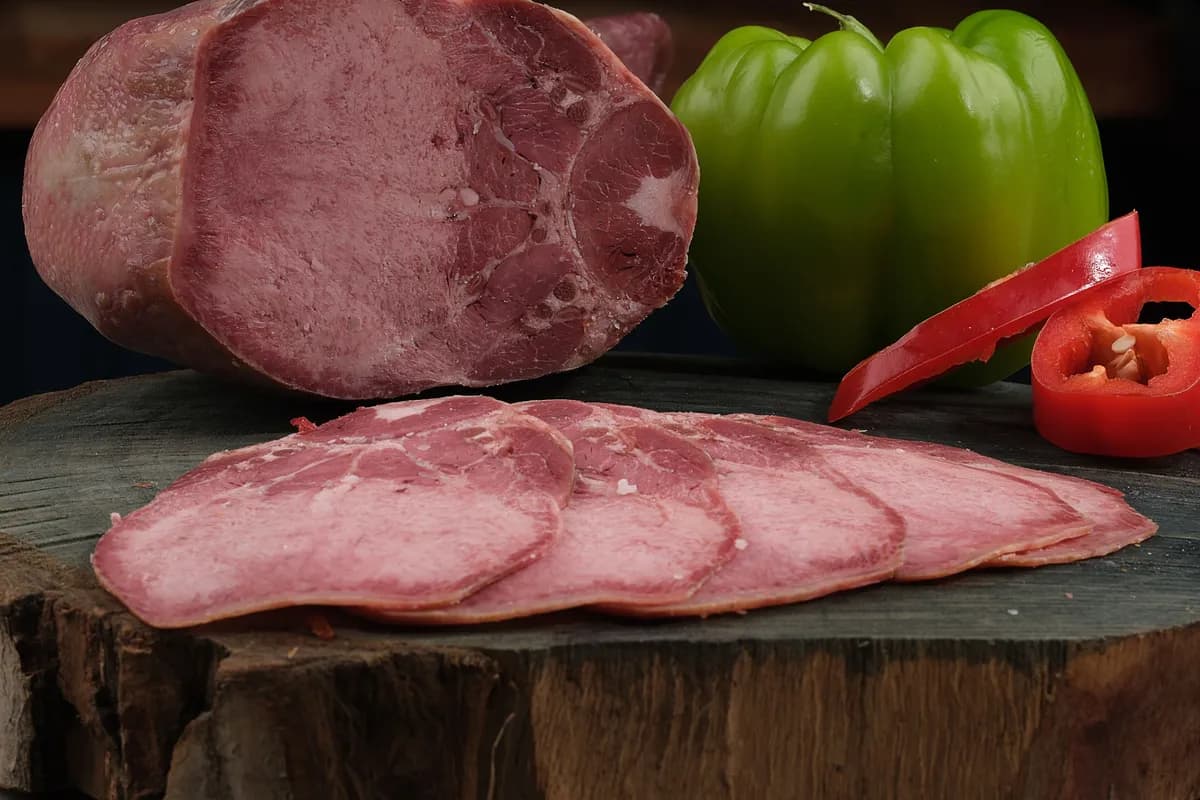
Lountza
Cured Cypriot pork loin, marinated in red wine, rolled in coriander seed and smoked. Sliced thin for meze or grilled with halloumi in a sandwich.
Commandaria
An amber sweet dessert wine from villages near Limassol, made from sun-dried Xynisteri and Mavro grapes. Described as the world's oldest named wine still in production.
Kleftiko
Lamb or goat sealed in an oven and slow-baked for hours until it falls off the bone. A Cypriot signature, traditionally cooked in a clay oven with potatoes.
Koupepia
Vine leaves rolled around rice, minced pork and herbs, simmered in a tomato sauce. The Cypriot dolmades, served warm or at room temperature on meze.
Stifado
A rich stew of beef or rabbit cooked low with whole small onions, red wine, vinegar and warm spices like cinnamon and bay. A wintry Cypriot classic.
Hungry now? Browse the island's best restaurants →
Plan Your Perfect Trip
Everything you need to know for a smooth and enjoyable Cyprus holiday.
Visa & Entry Requirements
Verify visa eligibility, passport validity, and the onward-ticket rule before you fly.
Read more ->Travel Insurance & Safety
Check current safety guidance and compare travel medical coverage before departure.
Read more ->Transportation
Get around with hire cars, buses, and taxis, and remember Cyprus drives on the left.
Read more ->Local Tips
Insider knowledge to make the most of your Cyprus trip.
Read more ->Emergency Contacts
Immediate emergency numbers plus refreshed safety resources for travelers.
Read more ->Get inspired
Discover the beauty and diversity of Cyprus through our curated photo gallery.
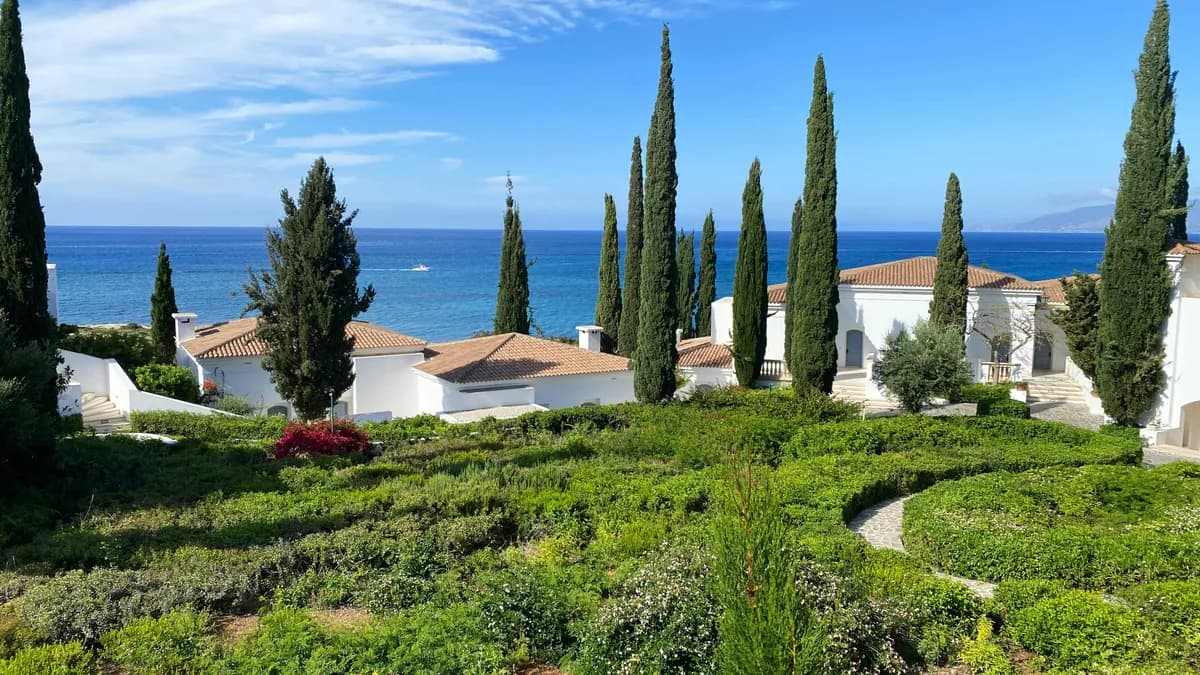
Awe-inspiring ocean background in Paphos, Cyprus.
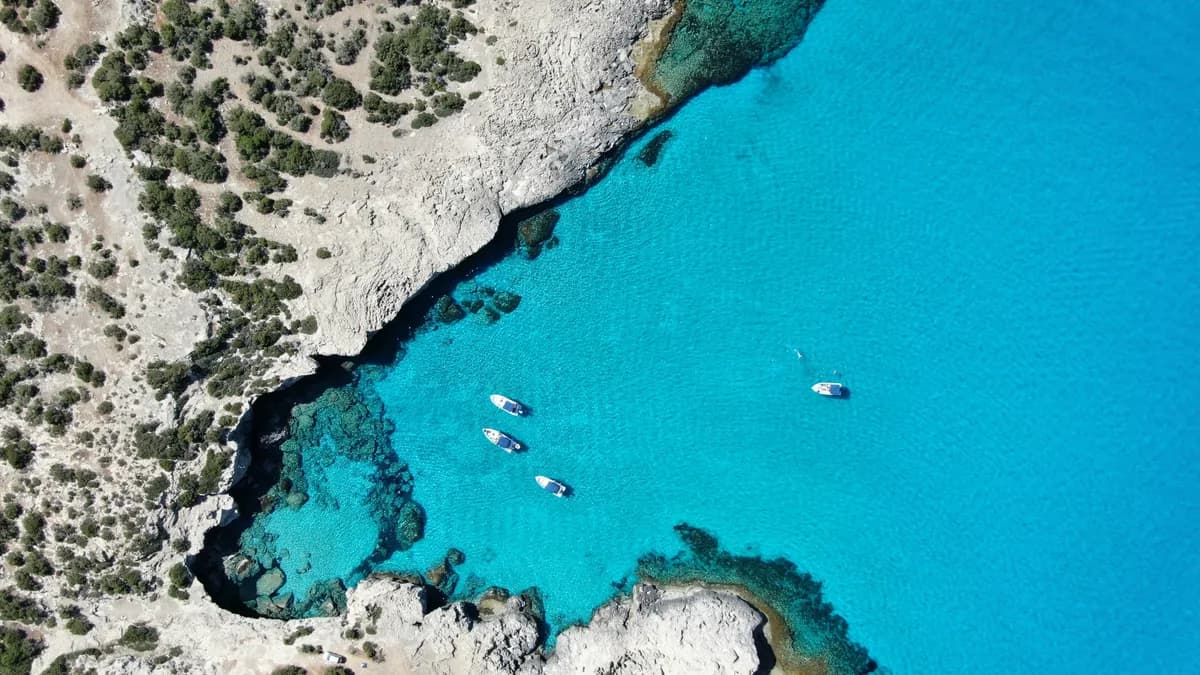
Impressive blue waters of Paphos, Cyprus.
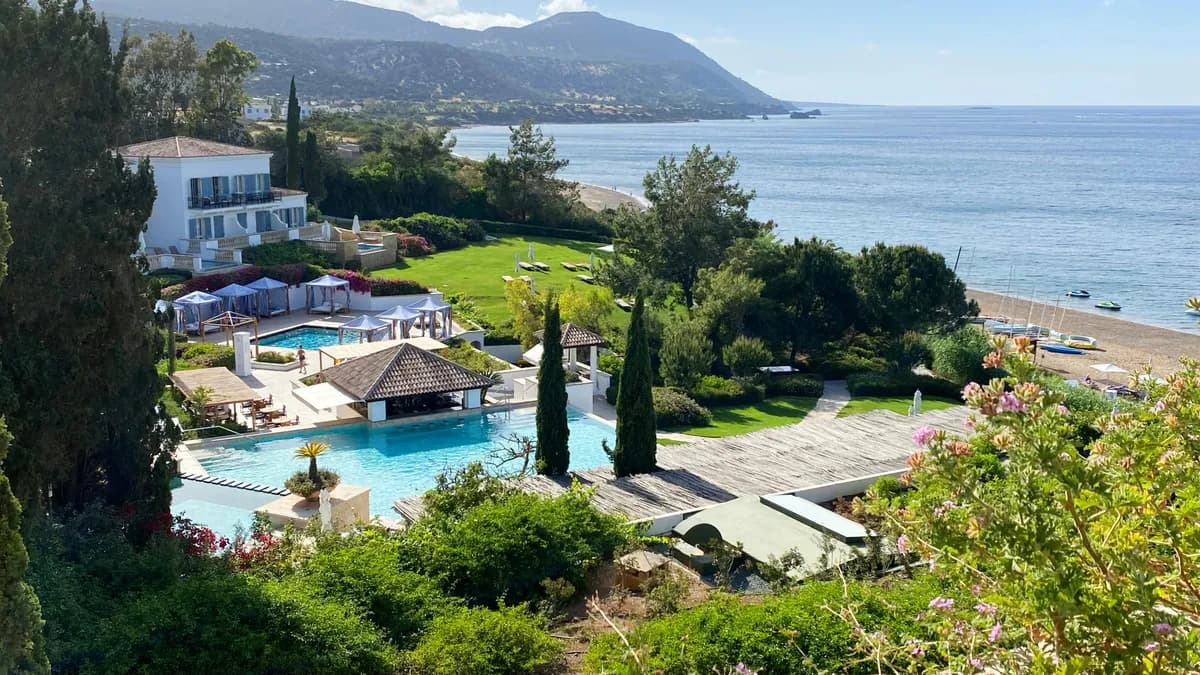
Remarkable ocean view in Paphos, Cyprus.
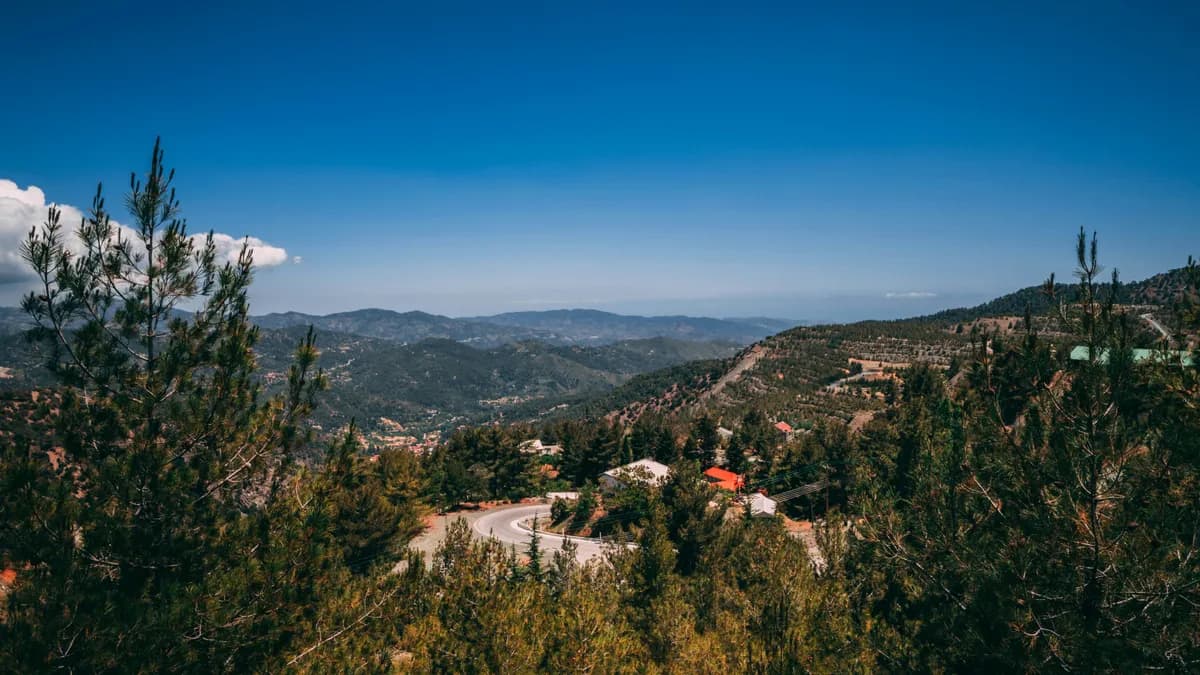
Landscape from Troodos
The beautiful blue waters of Nissi beach in Ayia Napa, Cyprus.
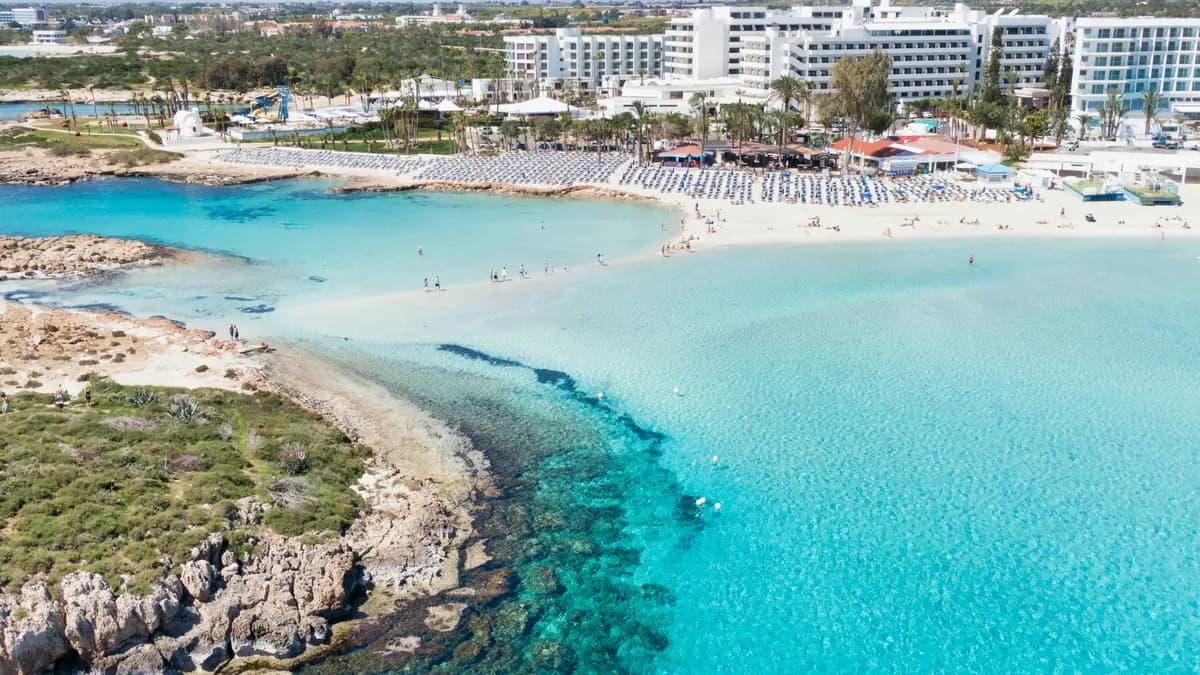
The captivating coast of Nissi beach in Ayia Napa, Cyprus.
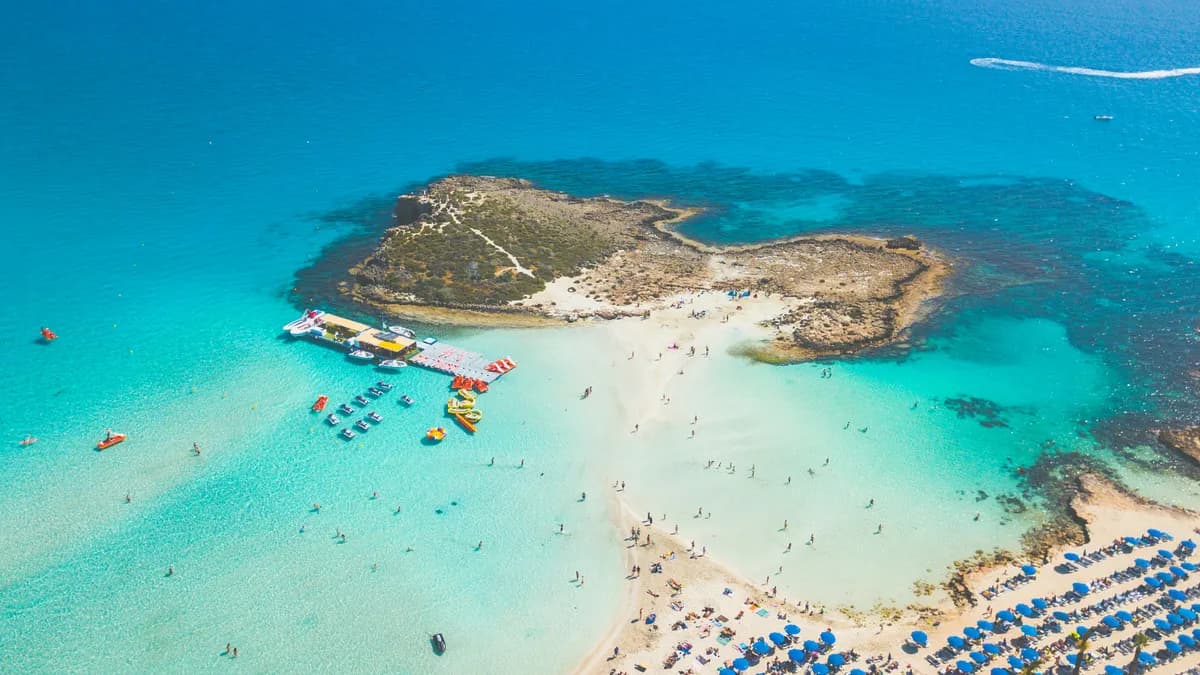
aerial photography of seashore
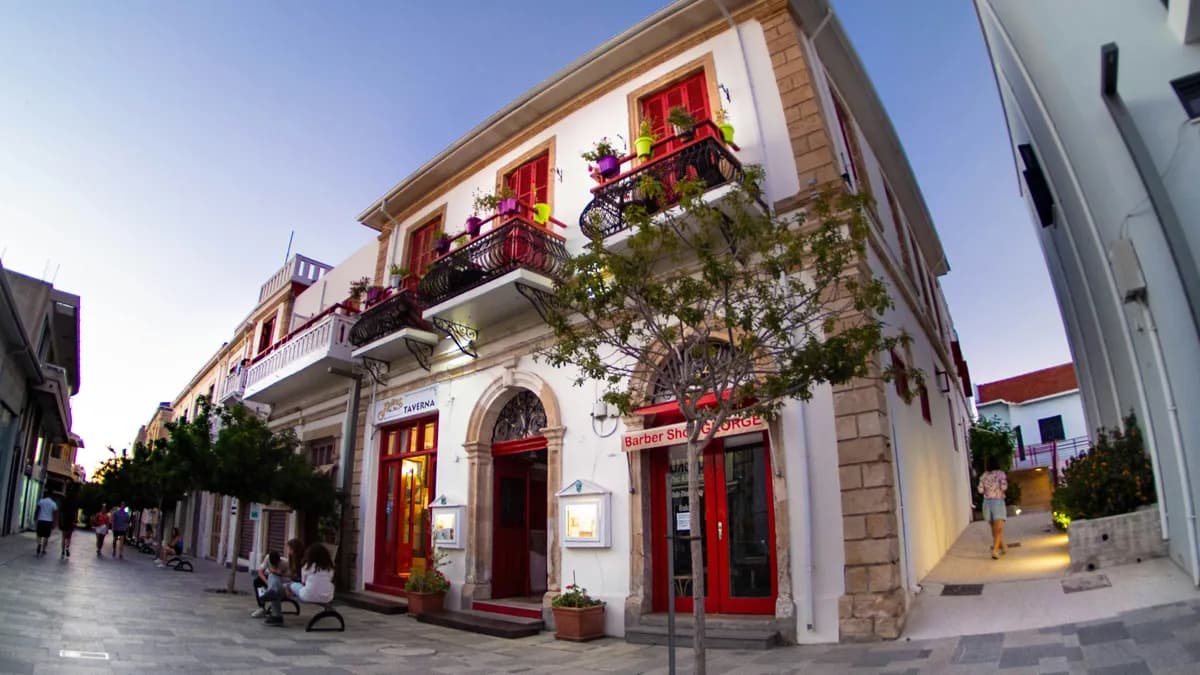
a building with a tree in front
Get On The Newsletter Waitlist
Join the launch list for practical Cyprus travel updates, new guides, and trip-planning notes. No mail app required.
Good to know
Practical Travel Questions
We only publish practical planning answers here after they have been reviewed. Use the planning guides below while this section is being updated.
Reviewed FAQ answers are being prepared
Instead of showing stale fallback travel advice, we are linking you directly to the planning pages that are currently maintained.
Compare your options before you commit
We link out to trusted external partners for hotels, tours, rentals, and insurance. Final pricing, availability, cancellation terms, and customer support are handled on each partner site.
- —Compare multiple booking platforms in one place
- —Check cancellation terms before you reserve
- —Use our destination guides to choose the right base first
- —Some links may earn us an affiliate commission